


Author: Sophie Andersen


Notion’s AI voice memos are pulling marketing teams away from Otter.ai by combining transcription and project context in one workspace. Here’s why it’s working.
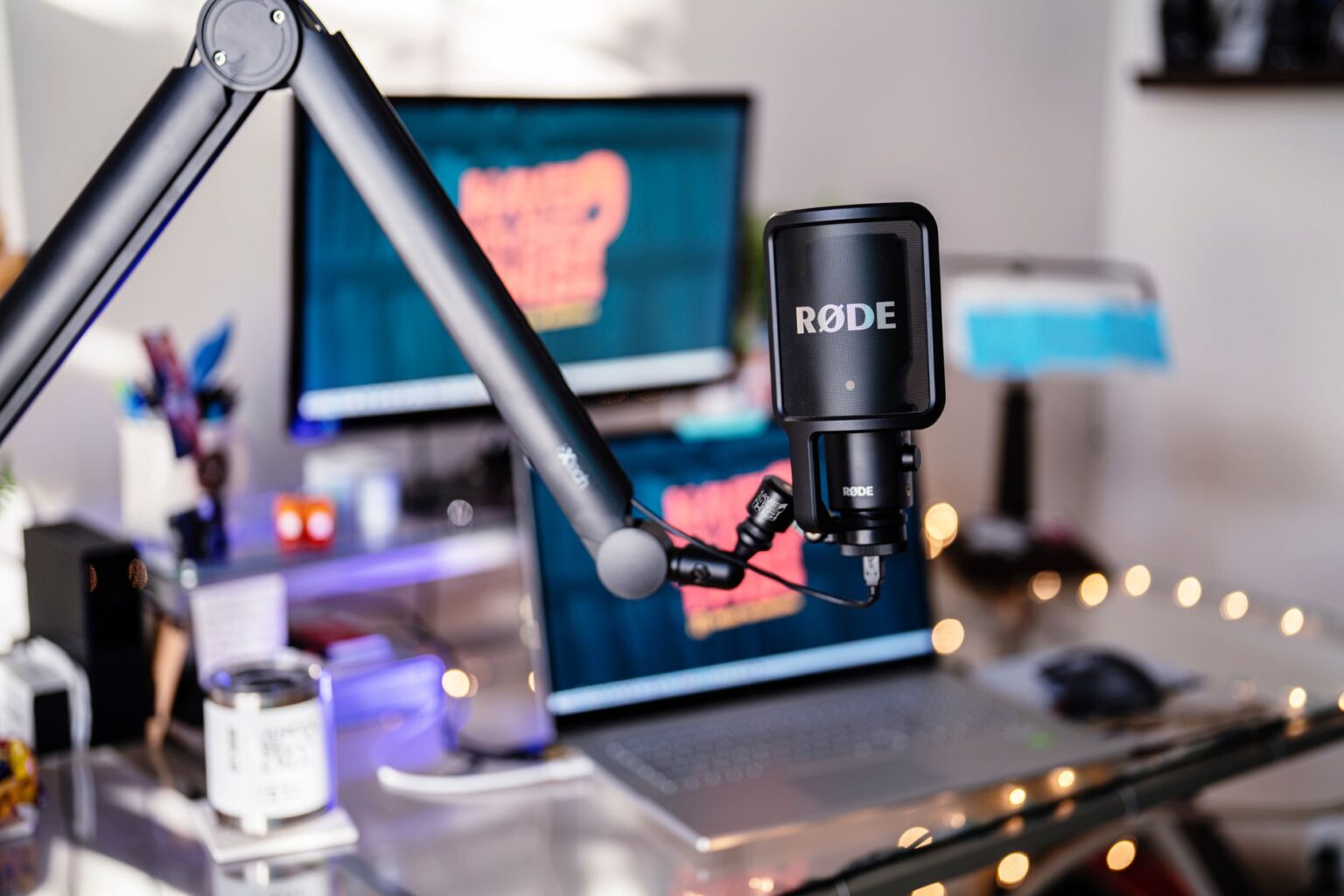
Podcastle’s AI editing tools and voice cloning are pulling solo podcasters away from Riverside. Here’s why the switch makes sense for one-person shows.

Notion’s AI Automations are replacing Zapier for content teams by embedding workflow logic directly inside the workspace where content is created.
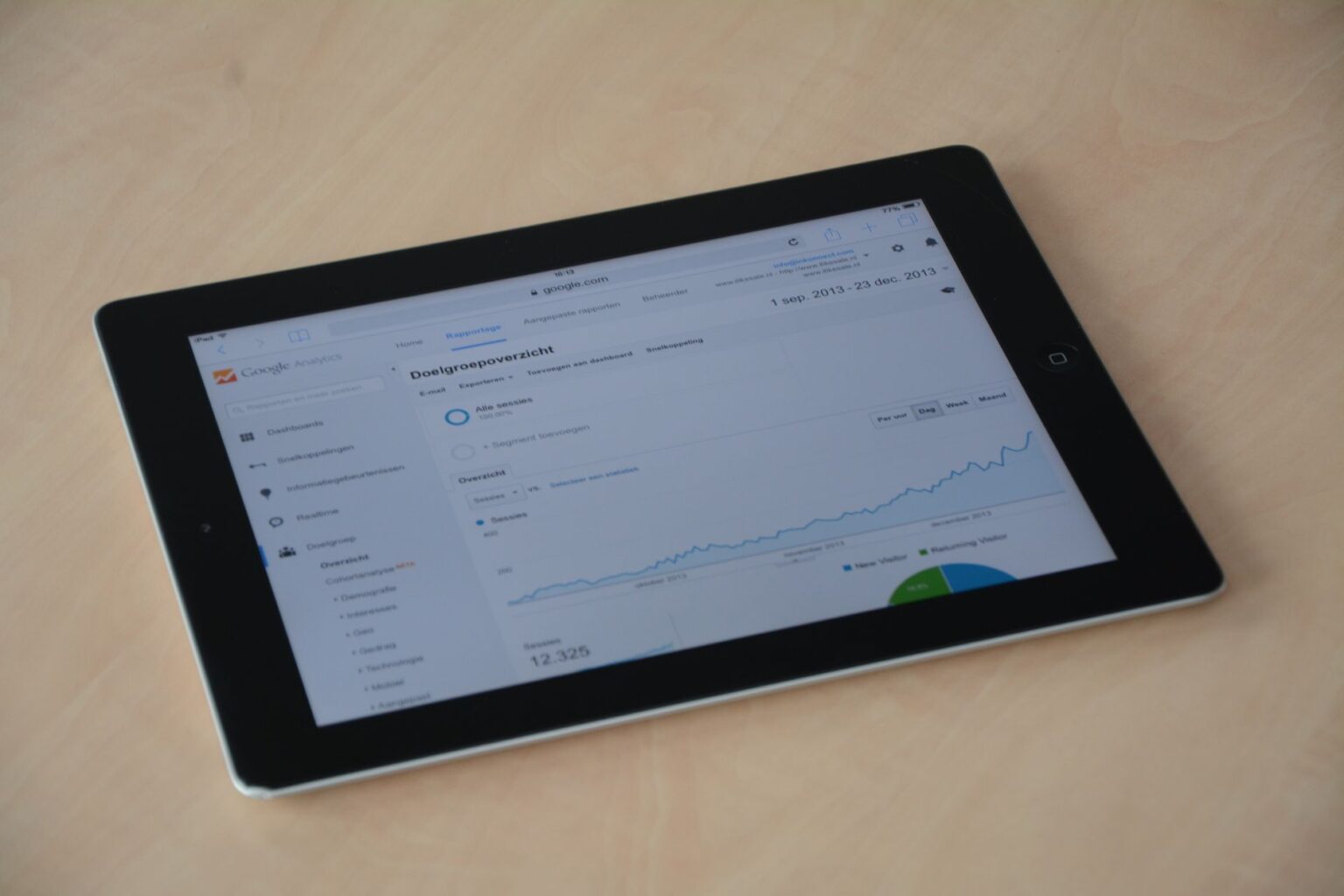
Semrush’s expanding social toolkit now covers brand monitoring, competitive tracking, and social listening – putting direct pressure on Mention’s core offering.

Klaviyo’s native social proof widgets are prompting DTC brands to question whether Yotpo still earns its place in the stack. Here’s what the shift actually looks like.

Framer’s CMS blog is winning over social creators with fast load times, clean design tools, and a publishing flow that Webflow’s complexity can’t match for link-in-bio and content landing pages.

Hootsuite still dominates social publishing, but Brandwatch is steadily pulling enterprise listening budgets away with deeper data, stronger analytics, and focused tooling.
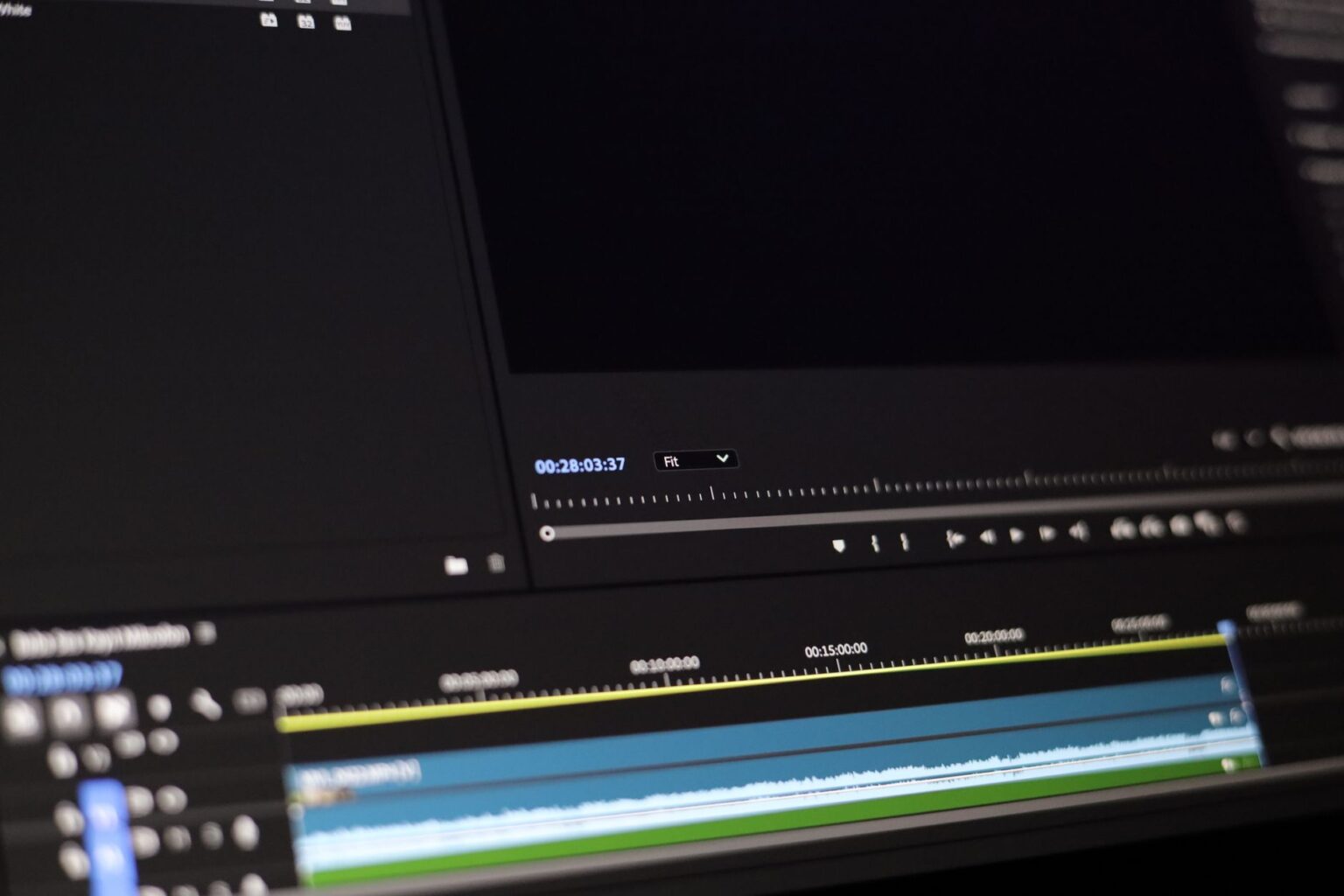
Loom’s AI Storyboard is replacing wireframes in social media pitches by turning narrated video walkthroughs into visual campaign sequences clients can actually understand.

Sprinklr’s Community module is winning enterprise deals not by outbuilding Khoros, but by making a second vendor hard to justify. Here’s how the shift is happening.

Notion’s AI Calendar is quietly pulling content teams away from CoSchedule by eliminating the gap between where content lives and where it gets scheduled.