

The Rise of Voice Commerce: 7 Strategies to Optimize Your Brand for Smart Speaker Shopping in 2026
Smart speakers just processed $40 billion in voice commerce transactions this year. By 2026, that number will triple as Amazon Alexa, Google Assistant, and Apple’s Siri become the primary shopping interface for millions of consumers. The question isn’t whether voice commerce will dominate – it’s whether your brand will be ready when customers start saying “Hey Google, reorder my usual” instead of opening an app.
Voice shopping has moved beyond novelty purchases. Walmart reports that 67% of voice orders are now repeat purchases of household essentials, while Target’s voice commerce revenue grew 340% in 2024. Smart speakers have become digital shopping assistants that remember preferences, suggest alternatives, and complete transactions without a screen. Your brand’s voice strategy determines whether you’ll capture this massive shift or watch competitors claim your customers.

The Voice Commerce Landscape in 2026
Platform Dominance and Market Share
Amazon continues to lead voice commerce with 73% market share, but Google Assistant has gained significant ground through integration with Google Shopping and YouTube. Apple’s Siri, while smaller in commerce volume, commands the highest average order values at $127 per transaction. Samsung’s Bixby and newer entrants like Meta’s voice assistant are fragmenting the market, creating opportunities for brands that optimize across multiple platforms.
The most successful brands aren’t choosing sides – they’re everywhere. Nike runs voice ads on Spotify, maintains Amazon Alexa skills, and processes orders through Google Assistant. Their omnichannel approach captures customers regardless of their preferred voice platform.
Consumer Behavior Shifts
Voice commerce users fall into three distinct categories. Convenience shoppers (45% of users) reorder familiar products like groceries, pet food, and household supplies. Discovery shoppers (32%) use voice to research products, compare prices, and find deals. Impulse buyers (23%) make unplanned purchases triggered by voice ads or smart speaker suggestions.
The average voice commerce session lasts 90 seconds – dramatically shorter than mobile shopping. Customers expect immediate understanding, relevant suggestions, and frictionless checkout. Brands that require lengthy product explanations or complex configurations struggle in voice environments.
Seven Strategic Optimization Approaches
1. Master Voice Search Optimization
Voice queries differ fundamentally from typed searches. People ask complete questions like “What’s the best organic dog food for senior labs?” instead of typing “organic senior dog food.” Your content must answer these conversational queries directly and concisely.
Implement FAQ schemas that address common voice queries. Pet supply brand Chewy created over 500 FAQ pages targeting specific voice searches, resulting in a 78% increase in voice-driven traffic. Their pages answer questions like “How often should I feed my puppy?” and “What toys are safe for teething dogs?”
Optimize for local voice searches by maintaining accurate Google Business profiles and using location-based keywords. “Coffee shop near me” generates 340% more voice searches than “best coffee shops,” making local optimization crucial for retailers.
2. Develop Platform-Specific Voice Applications
Amazon Alexa Skills remain the gold standard for voice commerce applications. Starbucks’ Alexa Skill allows customers to reorder favorites, find nearby stores, and reload gift cards using voice commands. The skill processes over 100,000 transactions monthly and boasts a 4.8-star rating.
Google Actions integrate seamlessly with Google Shopping, enabling voice purchases directly through Assistant. Home Depot’s Google Action helps customers find products, check inventory, and schedule delivery – all through natural conversation.
Apple Shortcuts create customized voice workflows for iOS users. Luxury brand Nordstrom developed shortcuts that let customers check order status, find store hours, and book personal shopping appointments using Siri voice commands.
3. Optimize Product Information for Voice
Voice-friendly product descriptions focus on key benefits and specifications that customers request verbally. Instead of lengthy feature lists, create concise descriptions that answer common voice queries.
Structured data markup helps voice assistants understand and communicate your product information. Include schema for price, availability, ratings, and key features. Electronics retailer Best Buy saw a 45% increase in voice-driven product inquiries after implementing comprehensive schema markup.
Create voice-optimized product titles that include natural language patterns. “Sony 65-inch 4K Smart TV with built-in streaming apps” performs better in voice search than “Sony XBR65X900H 65″ 4K UHD Smart LED TV.”
4. Implement Conversational Commerce Strategies
Voice commerce succeeds when it feels like talking to a knowledgeable salesperson. Design conversation flows that ask clarifying questions, offer alternatives, and guide customers through purchase decisions.
Beauty brand Sephora’s voice assistant asks about skin type, concerns, and preferences before recommending products. This conversational approach increased voice commerce conversion rates by 67% compared to generic product suggestions.
Train your voice applications to handle complex requests and follow-up questions. Customers might ask “What’s the return policy?” or “Do you have this in blue?” immediately after hearing product details. Your voice strategy must anticipate and address these natural conversation flows.
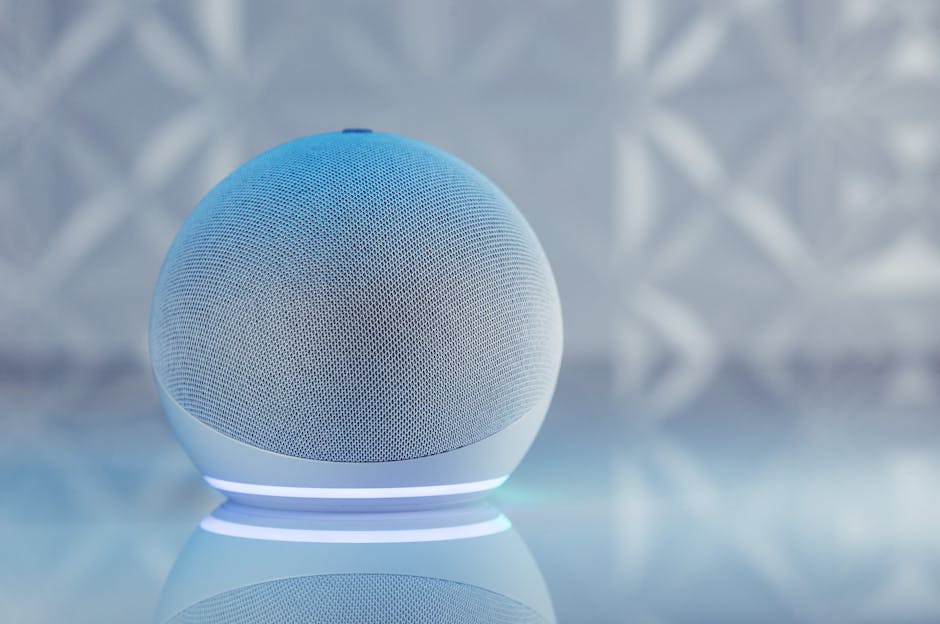
5. Leverage Voice Advertising Opportunities
Voice ads represent the fastest-growing digital advertising format, with spending projected to reach $19 billion by 2026. These ads integrate naturally into voice experiences through sponsored responses, audio advertisements, and skill recommendations.
Spotify’s voice ads allow listeners to interact verbally, saying “yes” to hear more about advertised products. Automotive brand Volvo achieved a 47% engagement rate with voice ads promoting their latest SUV model.
Amazon’s voice ads appear in Alexa responses when customers ask about product categories. Kitchen appliance manufacturer KitchenAid pays to have their stand mixers mentioned when users ask “What’s the best stand mixer?” This strategy generated $2.3 million in attributed revenue last quarter.
6. Create Seamless Multi-Device Experiences
Voice commerce rarely exists in isolation. Customers might start shopping on a smart speaker, continue on their smartphone, and complete purchase on their laptop. Your brand must create cohesive experiences across all touchpoints.
Fashion retailer ASOS developed a voice shopping experience that syncs with their mobile app. Customers can add items to their cart using voice commands, then view and modify selections on their phone. This integration increased completed purchases by 34%.
Use customer account data to personalize voice interactions across devices. When customers ask about order status on their smart speaker, the response should match information available in your mobile app and website.
7. Monitor Performance and Optimize Continuously
Voice commerce analytics differ from traditional e-commerce metrics. Track voice query volume, successful completion rates, and repeat voice purchases. Amazon provides detailed analytics for Alexa Skills, while Google offers insights through the Actions Console.
A/B test different conversation flows, response lengths, and product recommendation strategies. Outdoor gear brand REI discovered that shorter product descriptions (under 20 words) generated 85% more voice purchases than detailed explanations.
Monitor voice search trends using tools like Answer the Public and SEMrush’s voice search features. Track how customers are asking about your products verbally, then optimize your content to match these natural language patterns.
Implementation Roadmap for Success
Start your voice commerce optimization with audit current voice search performance. Use Google Search Console to identify existing voice queries driving traffic to your site. Many brands discover they’re already receiving voice traffic without realizing it.
Prioritize development based on your customer base and product category. Brands selling frequently repurchased items should focus on reorder capabilities, while luxury retailers might emphasize product discovery and research features.
Budget $15,000-$50,000 for basic voice commerce implementation, including skill development, content optimization, and initial advertising spend. Enterprise brands typically invest $100,000+ for comprehensive voice strategies across multiple platforms.
Voice commerce represents the next frontier in digital retail, but success requires strategic thinking beyond simply adding voice capabilities. The brands that win in 2026 will be those that understand voice shopping as a fundamentally different behavior requiring tailored optimization, conversational design, and seamless integration with existing customer touchpoints. Start implementing these strategies now – your competitors already are.